Damp and mould survey
Free
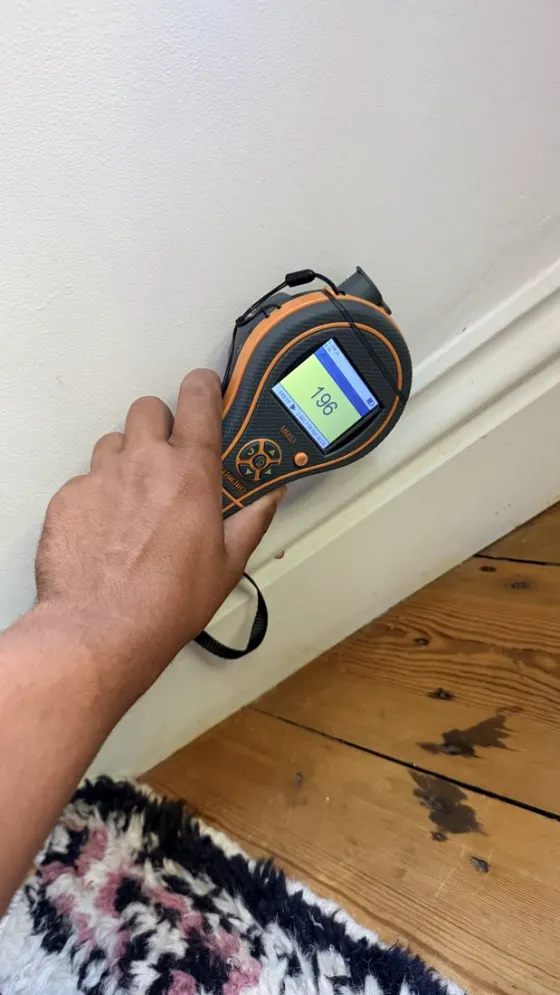
Best forDamp patches, mould, condensation or a musty smell.
Looks atWalls, floors, ventilation, gutters, pointing, ground levels and the roof.
You getWritten findings within 48 hours.
Free survey
Rot and woodworm, found early and explained plainly.
At a glance
Which survey?
Four surveys, each answering a different question. Soft floors and small holes start here.
Free
Best forDamp patches, mould, condensation or a musty smell.
Looks atWalls, floors, ventilation, gutters, pointing, ground levels and the roof.
You getWritten findings within 48 hours.
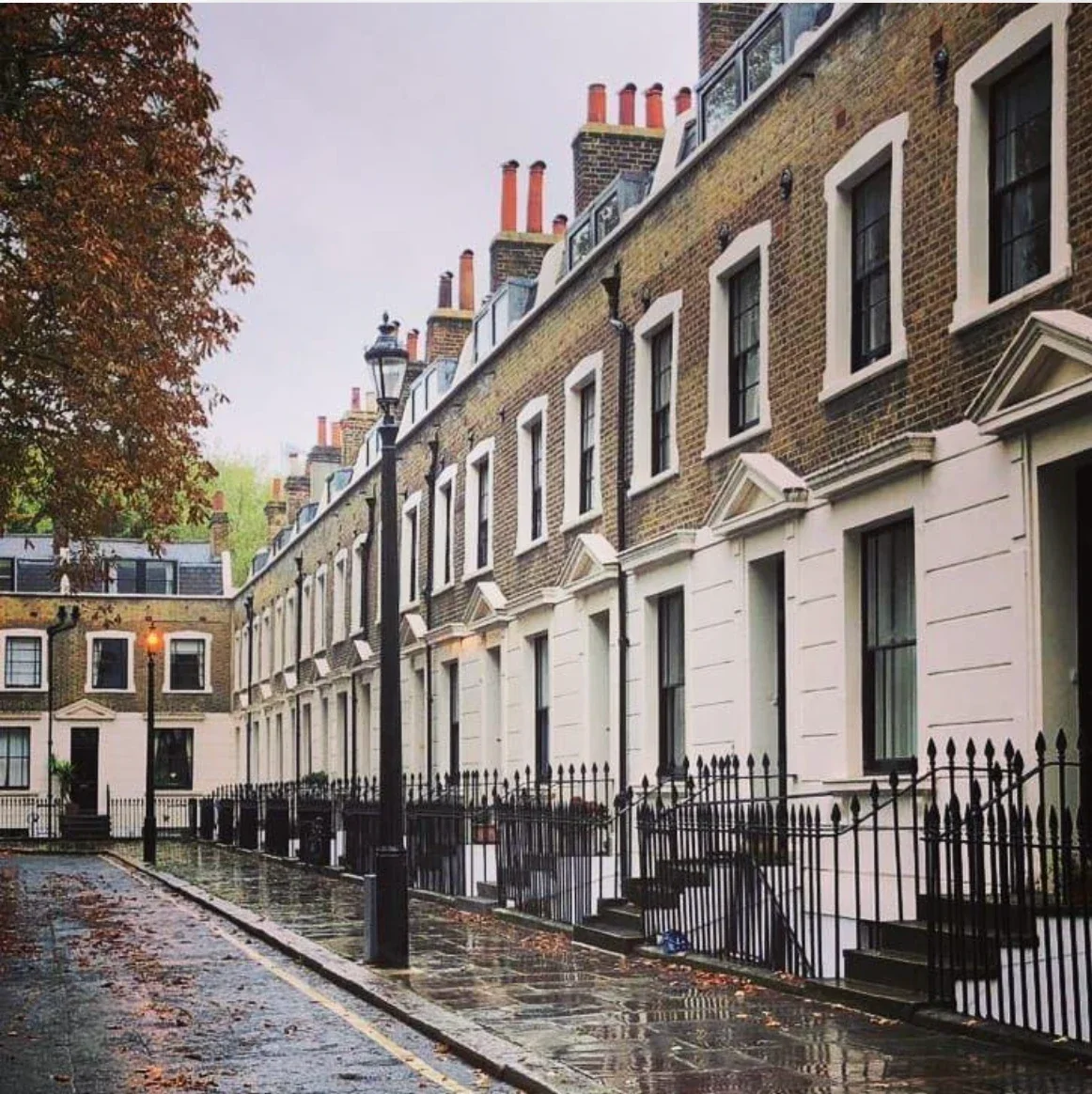
Free
Best forSoft floors, rot, woodworm holes or a musty smell beneath the floor.
Looks atFloors, joists, roof timbers, window frames and doors.
You getWritten findings within 48 hours.
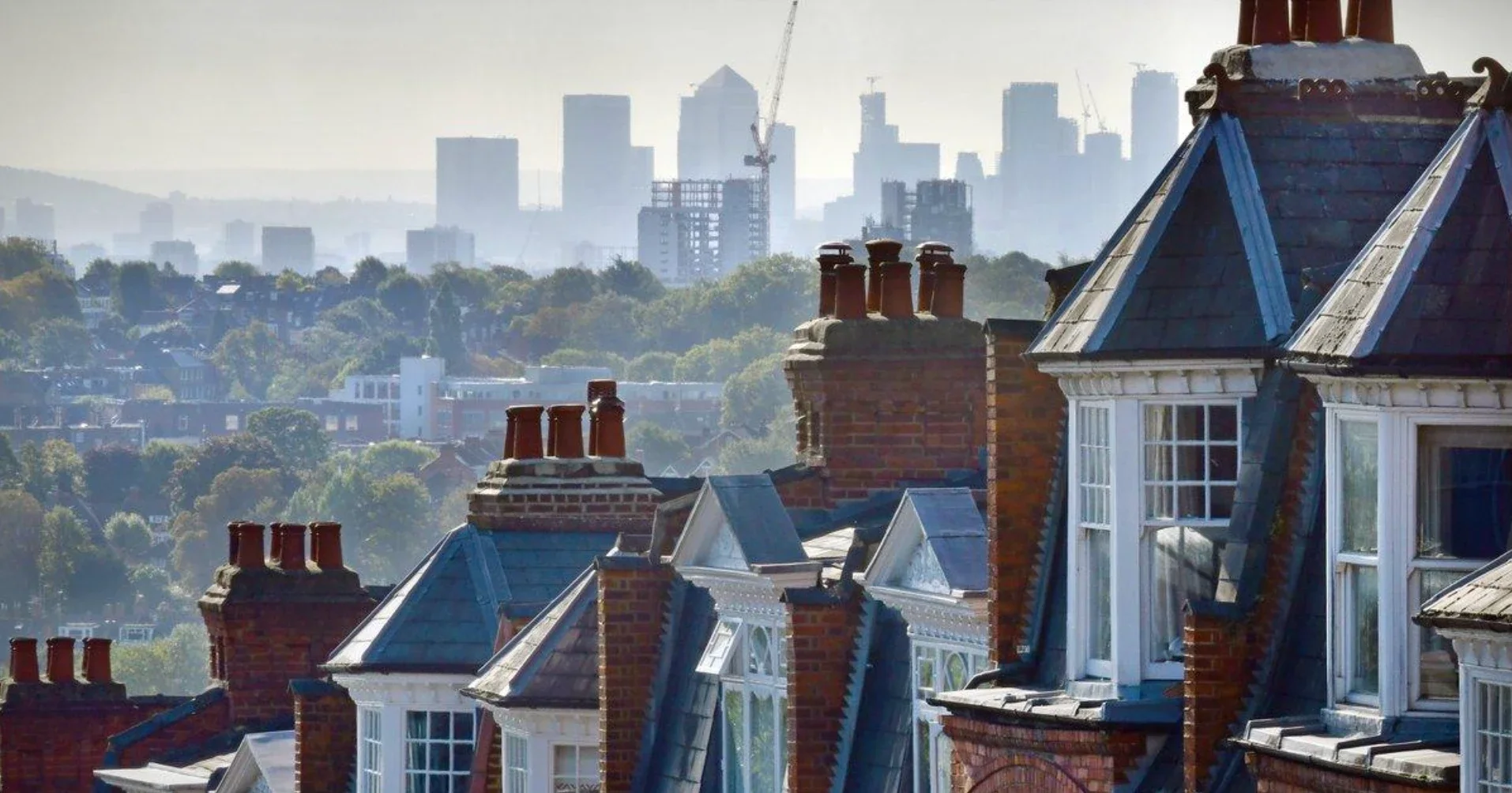
Free
Best forLeaks after rain, slipped slates, tired gutters or chimneys.
Looks atEvery slate, chimney, valley and gutter, from the air.
You getPhotographs and findings in writing within 48 hours.
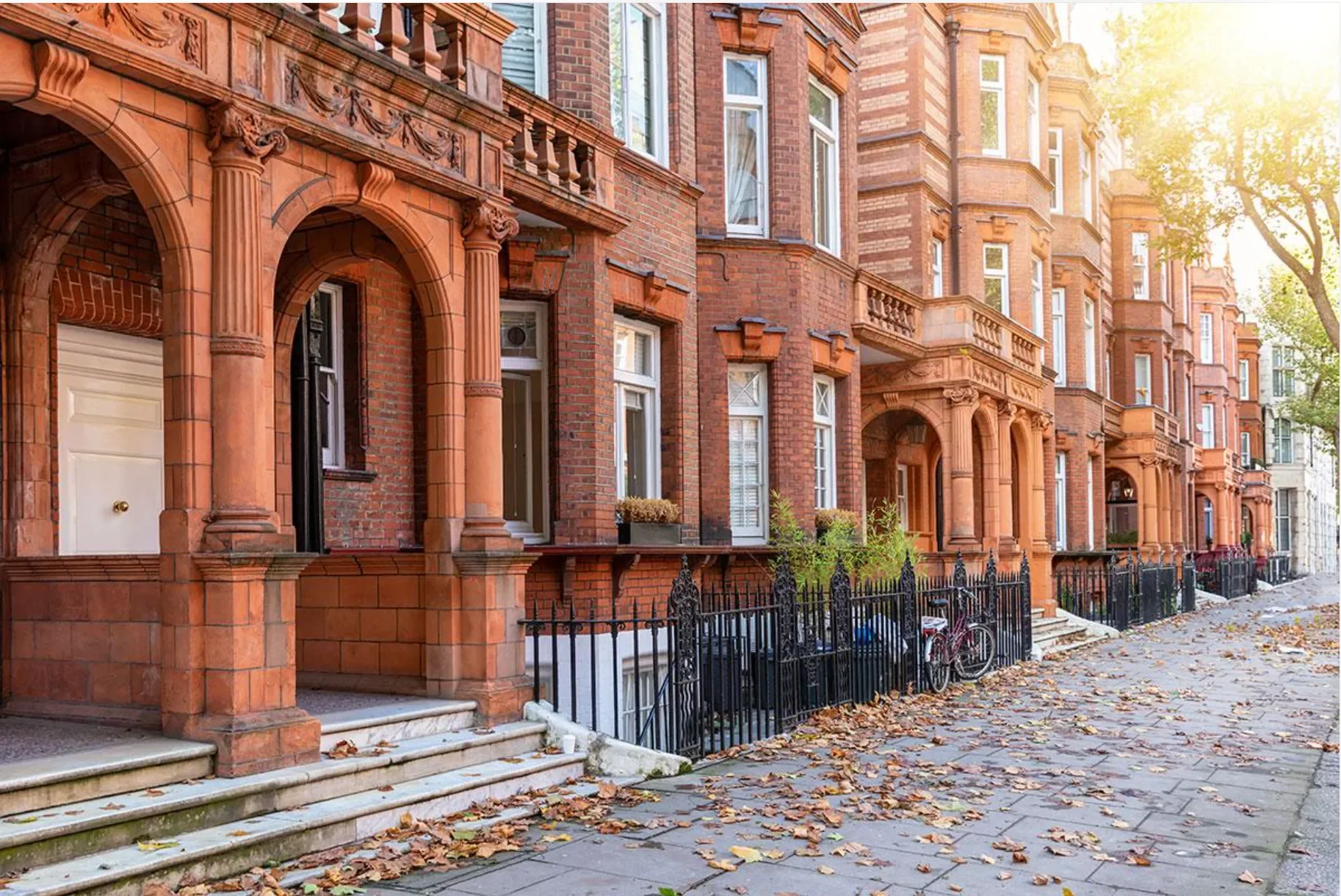
Fee
Best forBuying a home, or knowing the condition of all of it.
Looks atThe whole property, to the RICS Home Survey Standard, at Level 1, 2 or 3.
You getA RICS Home Survey report from a Chartered Surveyor.
Also free: pre-purchase damp and timber reports, and second opinions. With a fee: electronic leak detection (ELD).
What’s included
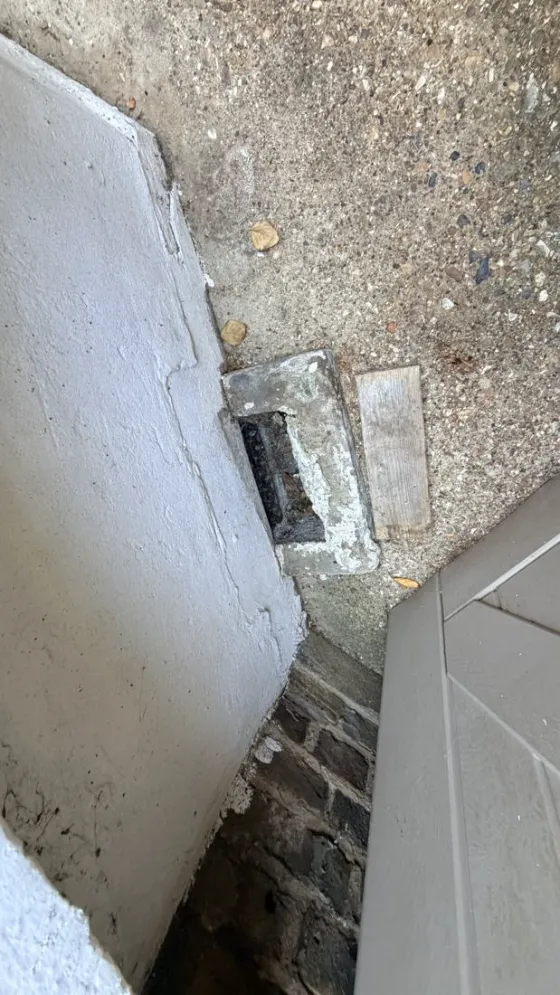
Floors and joists
Suspended timber floors need air moving beneath them. We check for soft or springy boards, blocked air bricks and the damp that lets rot take hold.
Rot
Wet rot stays where the timber is wet. Dry rot can travel across masonry to reach new timber, so it is treated very differently. We tell you which it is, and how far it has gone.
Woodworm
Small round holes are not always a live problem. Old holes can stay long after the beetles have gone, so we look for the signs of activity before anyone mentions a treatment.
Yours to keep, and to take elsewhere for a second opinion.
Your findings
What we found, where, and what it means, explained plainly. Yours to keep, and to take elsewhere for a second opinion.
How it works
Choose a day here, or call us on 0330 520 2584. We confirm the time by phone.
A specialist checks the accessible timbers, from floorboards and joists to the loft, and explains what they find.
In writing within 48 hours. Itemised costs come last, and only where work is justified.
Questions
Yes. The survey is free and there is no obligation to instruct us afterwards. The only surveys we charge for are RICS Home Surveys and electronic leak detection (ELD).
The accessible timbers in your home: floorboards and joists, skirtings, staircases, doors and window frames, and the roof timbers in the loft. We look for rot and woodworm, and for the moisture that lets them take hold.
Both are fungi that feed on damp timber. Wet rot needs the timber to stay wet, so it usually stays close to the source of the water. Dry rot can grow across brick and plaster to reach timber further away, which makes it the more serious of the two and changes how it is treated.
Either way, the moisture has to be dealt with first, or the rot will return.
Source: Designing Buildings, Recognising wood rot and insect damage in buildings
Clean, sharp-edged holes and fresh powdery dust below them can point to beetles that are still active. Holes can stay visible long after the beetles have died out, so old holes on their own do not mean you need treatment.
We look for the signs of activity and tell you plainly whether anything needs to be done.
Source: British Pest Control Association, Insects that destroy wood in buildings
The survey is non-intrusive. Where it would help to lift a board or look into a void with a small inspection camera, we explain why and only go ahead with your permission.
Timber that stays wet. A leak, rain getting through a wall, blocked air bricks beneath a floor or condensation in a cold loft can all keep timber damp for long enough for rot to start.
Yes, when you would like us to: dry rot and wet rot treatment, woodworm treatment and timber resin repairs, after the cause of the moisture has been put right.
If your surveyor or lender recommends a specialist damp and timber report, we can provide one free. Book it before you exchange so the findings can still shape your decision.
Last. The findings come first, and itemised costs follow only where work is justified. The decision is entirely yours.
Our treated works carry a 10-year insurance-backed guarantee, IBG Term 10, transferable with the property. It covers the treated works set out in your written guarantee and is included as standard. Because it is insurance-backed, it stands even if we cease to trade.
Every London borough, and anywhere within the M25. Further afield, call us on 0330 520 2584 and we’ll tell you honestly whether we can help.